Osborne & Little
Osborne & Little | Truro Flame-Retardant
Osborne & Little | Truro Flame-Retardant
Couldn't load pickup availability
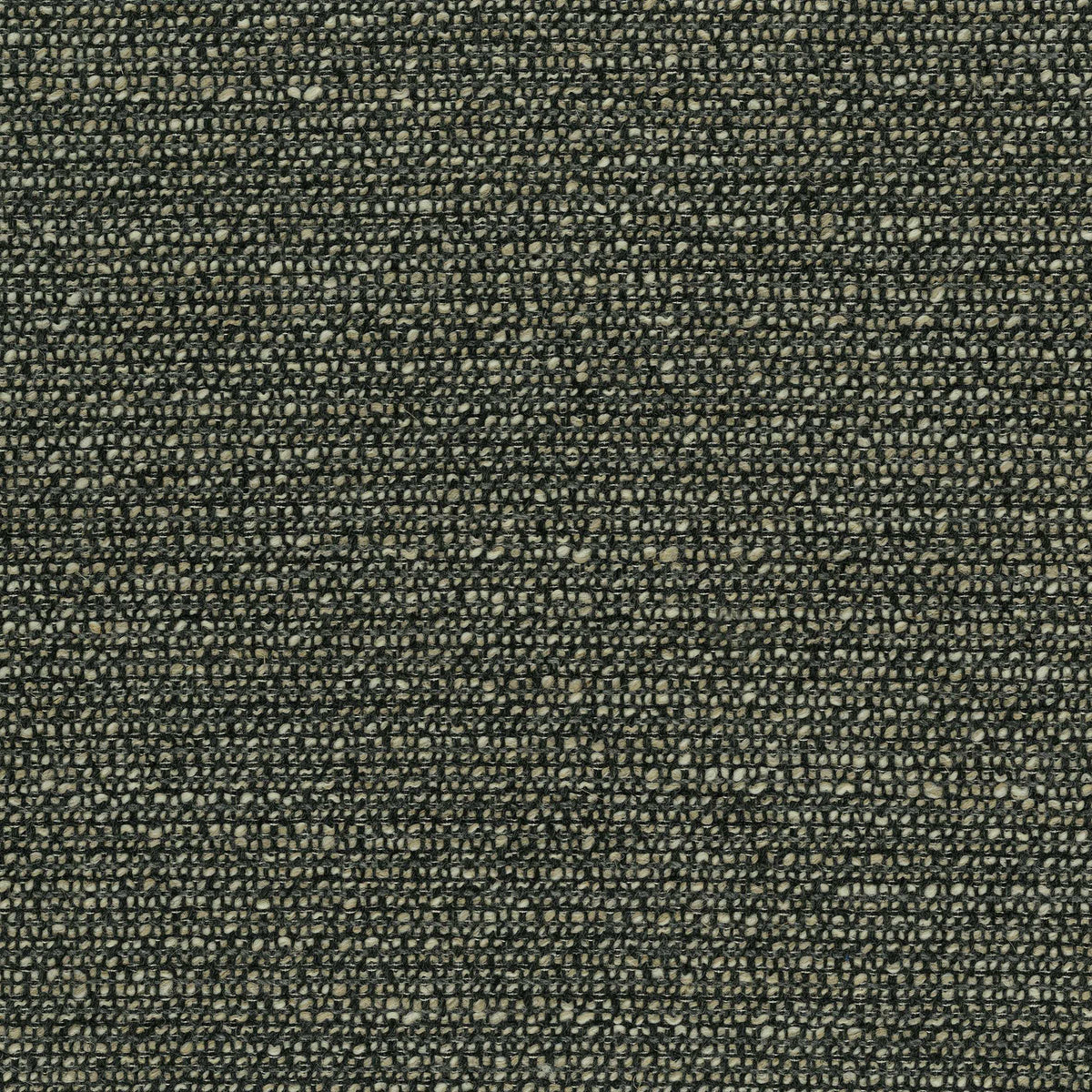
Truro is a woven cloth with a subtle horizontal stripe, built from slub and twisted yarns in natural fibres. The surface carries the slight irregularity you tend to see in handwork, and the stripe is more a shift in texture than a drawn line. From a distance it reads as a quiet, even cloth; closer to, the yarns show themselves. The listing covers nine colourways, so we have described the design as a whole rather than any single colour.
The composition is 46% wool, 29% cotton, 18% linen and 7% polyamide. It is woven in the United Kingdom, is 139 cm wide and weighs 470 gsm. The cloth is flame-retardant, and it has a rub test of 40,000 Martindale. The stated uses are curtains, upholstery and blinds, and we would keep to those. The supplier describes the flame-retardant quality as inherent to the cloth, which makes it useful in contract rooms and busy family spaces as well as in quieter homes.
We would use Truro where the texture can be seen and touched, which means upholstery on a sofa or a pair of armchairs, or curtains hung in a room with good side light that picks out the slub. Because the stripe is so gentle, it sits well beside plainer cloths. We would pair it with a flat linen or a fine wool in a close tone, and with a patterned cloth used sparingly on cushions, so the stripe stays the calm element in the scheme. If you are covering a larger piece, we would think about the direction of the stripe before the upholsterer cuts, as it runs horizontally across the width of the cloth. In a room that already has a lot of pattern, Truro is a good way to bring in warmth without adding noise.
Before you commit, we would ask you to see a sample in the room where it will hang or sit. Natural fibres with slub yarns can look different in daylight and in the evening, and the nine colourways are easiest to judge against your own walls and floors. Check the 139 cm width against the job, particularly for curtains, where the number of widths affects fullness, and for upholstery, where the layout of the piece decides how the cloth is cut. If you need any other detail, please ask us and we will help.
Share