Rubelli
Rubelli | Textum
Rubelli | Textum
Couldn't load pickup availability
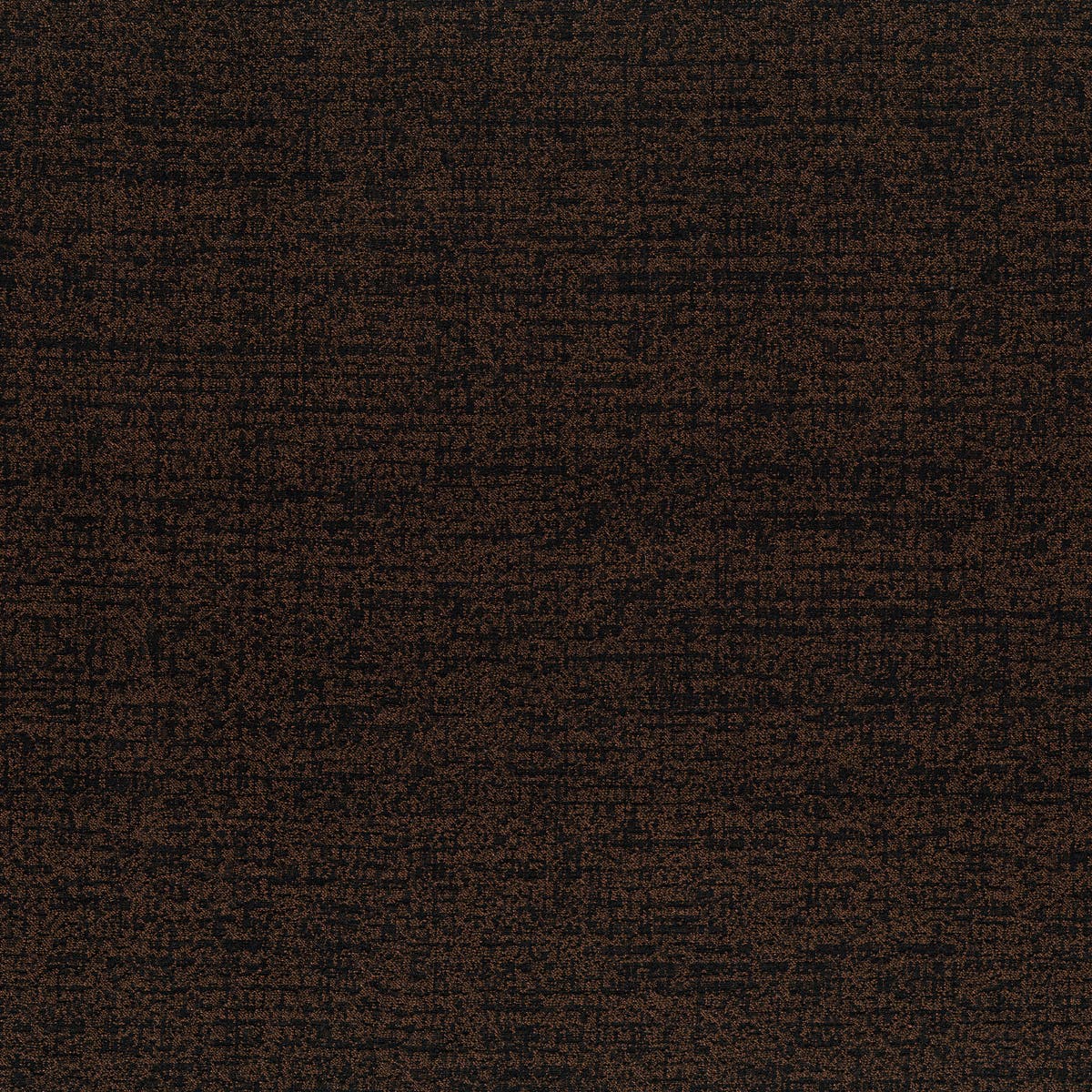
Textum is a Rubelli cloth with a texture that is easy to overlook at first. The surface is dense and faintly bumpy, and something bright sits inside the weave, catching the light the way a cut stone does. Rubelli's own description puts it as if the cloth hides precious elements inside it, like certain metallic stones that show an unexpected sparkle once they are cut. We like that it keeps its character close to the surface rather than announcing it from across the room.
The filler weft is made from waste from the Rubelli mill, from false selvedges, which the supplier presents as an example of recycling and of circular economy. It is a jacquard weave with a texture pattern, made in Italy and 135 cm wide, weighing 510 g/lm. The composition is 34% cotton, 23% polyamide, 14% viscose, 12% another man-made fibre, 11% polyester and 6% other fibres. The abrasion test result is 25,000 Martindale rubs. The certifications given are U.S.A. CAL.TB117:2013 and UK Cigarette BS5852 source 0. The stated uses are upholstery and cushions. There are 10 colourways, among them Sapone, Avorio, Opale, Pietra, Sabbia, Legno, Madreperla, Argento, Antracite and Ebano.
We would use Textum for upholstery and cushions, which are the uses the supplier states. It suits a piece where you want texture to do the work that pattern might otherwise do: an armchair in a quiet corner, a sofa in a room already full of colour, or a run of cushions that bring some interest to a plain scheme. We would pair it with plain, matt companions so the metallic note inside the weave stays the point of interest. Smooth linen, a flat wool or a simple cotton alongside it would all let the surface speak. In the lighter colourways such as Avorio, Opale or Madreperla we would keep the rest of the palette soft and close in tone. In Antracite or Ebano we would add something with a little warmth, perhaps timber or a muted brass, so the cloth does not read as flat in low light.
Before ordering, we would always ask to see a sample in the room where it will live. A cloth with a light-catching element behaves differently across a day, from morning window light to a lamp in the evening, and the colourway you choose on screen may look quite different in person. Check the 135 cm width against the job, especially if you are covering larger pieces or planning cushions with a particular layout in mind. If you would like any further detail on the cloth, its certifications or the colourways, please ask us and we will gladly help.
Share